In the early 1900’s, company towns were fairly common. Corporations would establish entire towns around certain industries, such as mining. They would provide housing in town for their workers. Rent would be taken out of their pay, usually just above the going rate for the area. Company stores would exist to provide goods to the employees. They could buy on credit using company cash, which would be tallied at the end of the month and taken from their paycheck. Beyond those basics, these company towns would also provide recreation such as sports and movies, they would provide most services that employees would need, and most all of their needs were taken care of. Employees would bring their entire families to live in these towns, many times crowding into small, one bedroom apartments.
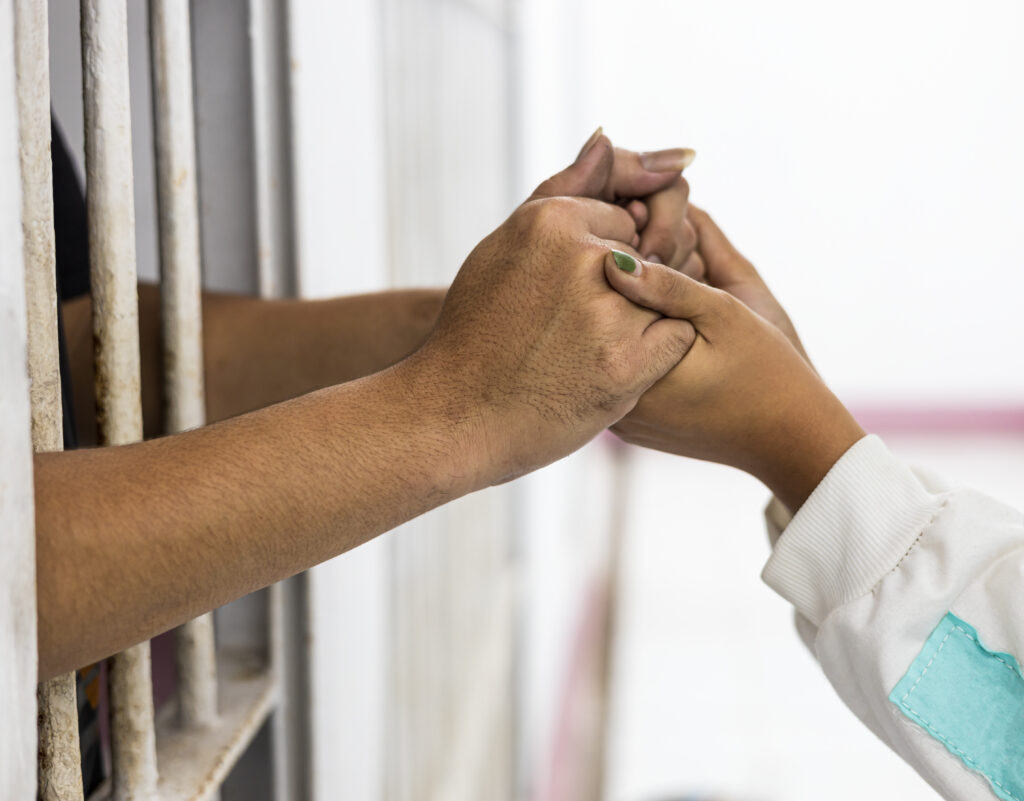
While these towns are a thing of the past, the company town concept could be applied to prisons. In the case of rehabilitation, the concept would revolve around a prison town, similar to how some prisons already are. The change would be in allowing families to be part of the rehabilitation process and in teaching the inmate how to manage their lives in a better way.
For example, the town would house an open canteen, similar to a convenience store, a medical office, a library that includes access to computers and modern technology, a theater or entertainment venue, a school, various industries, and a police station. Families would also be allowed to live there, as long as they participated in the rehabilitation process.
In return, each inmate would be required to work 25 hours per week and required to attend schooling at least 15 hours per week. Rent and canteen would be deducted from their pay, and the remainder would be placed in a savings account. Inmates would be required to reconcile their statements monthly. The schooling would focus on changing social behaviors, which would then have to be demonstrated on the yard.
They would be overseen by case workers and corrections officers. Any type of misconduct would have them removed from the program, but good conduct would enable the chance for early release.
What this does is simple it creates one step closer to reintegration into the outside world while at the same time providing more tools for success once reintroduced. It teaches the inmate how to live as a laws abiding citizen in a social environment while at the same time strengthening family ties. It takes something that worked well from the past and reintroduces it in a new way into modern society. This removes the idleness of today’s prisons and introduces a healthy and productive lifestyle.
So how radical is this concept?
In many ways, this is how many minimum security prisons work. Minimums have the housing, the canteen, recreation, and medical, but what is missing are enough meaningful jobs to go around, the education to change one’s life, and the family ties. A lot of minimum security prisons are moving in this direction already, so it may not be all that radical of an idea.
While not everything can be implemented from the old company towns, maybe we can learn something from the past and pick some of the things that worked to help ease our troubled prisons today.