 Descending Into the Madness Of Criminal Law
“I have been doing a lot of legal research” is really just a very legitimate-sounding way of saying that I’ve been scrolling through an endless feed of the most terrible things man can do to man, and coldly deciding which documented atrocities feature useful information. It’s dirty, audacious work. Seeking out crime feels criminal by proximity. In the beginning, I could barely bring myself to type the terms; much less speak them out loud. After four years of inundation, I have learned to swim in that language, and fish out useful facts and figures from their murky waters.
I would like to say this makes things better, but I really don’t know if it does. The ocean of injustice is endless, and it doesn’t just stop when a “bad guy” goes to jail. I’m studying Oklahoma. Incarceration rates are high. Conviction rates are high. Prosecutorial corruption and correctional abuse are rampant. Once jailed, all pressures imaginable are exerted to force a confession in the form of a plea deal. Once convicted, the brand of “Criminal” is treated as a blank check to further abuse, neglect, and discredit the individual unfortunate enough to bear it.

The Institutions Who Cash The Check
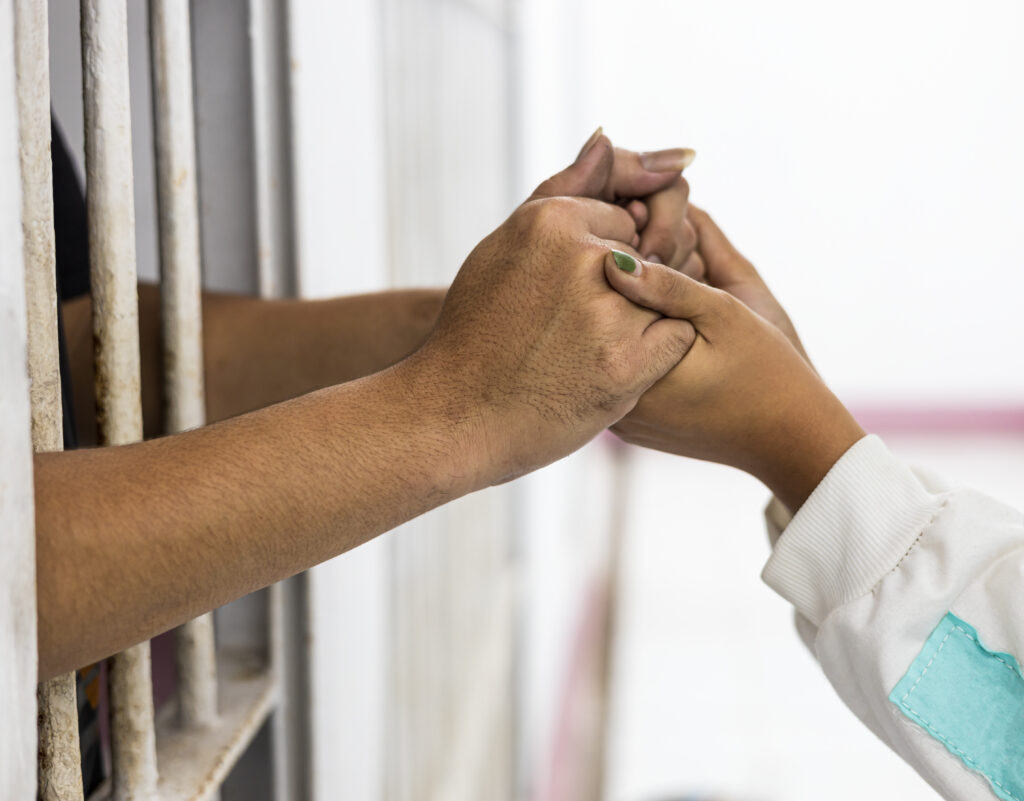
First, prosecutors and politicians get to bask in accolades for taking dangerous men off the streets. Each ruined life is a shiny little gold star on their records. Move on to the facilities, paid by the head, designed to break bodies and spirits in the cruel hazing known as “assessment and reception” during which an individual is stripped down, measured up, and initiated into long-term incarceration. If you’re lucky enough not to die by violence, neglect, disease, or your own hand, your existence is then warehoused away from everything and everyone you love. The “Criminal” is out of sight, out of mind, and purposely forced out of reach from any caring or redeeming presence.
The outside world justifies it as punishment; more palatable than the death penalty, because it’s easier to turn a blind eye to quiet torture than public execution. This divorce from human empathy is packaged and sold as a satisfaction for our sense of justice. We are assured that it’s okay; they deserve it. In this way, the legal system is like any other abuser; painting itself as righteous and its victim as crazy to justify itself to onlookers.
Finally, the other inmates, peers to this experience, are driven to turn and take advantage of one another. If one was not part of the criminal world before entering this environment, he is guaranteed to receive an education on it before he leaves. It takes an amazing strength of mind not to give in to the despair.

A Personal Testimony
Four years ago, someone I love was forced into this world through no fault of his own. He played by the rules. He trusted others to play it by the rules, and they just… didn’t. The other side made so many mistakes that, to us, seemed so obvious and damning that we were sure his innocence would be a given. For a time, we believe that we could win, and that the burden of proof really was on the accuser.
The biggest lie in the criminal justice system is that everyone has access to a fair trial, and the second biggest lie is that you will be considered innocent until proven guilty. In truth, the accused is racing against the wind to prove his innocence. Even though he has been bashed across both knees by the State, and set several miles behind the starting line, when they say “Ready Set Go,” he still runs like hell. Then, when he finally reaches the end, he finds that the State simply drove across the finish line in a sports car, with all of his exculpatory evidence locked in the trunk.
The State Racing To The Bottom
I am researching Oklahoma. From what I’ve seen it’s one of the worse States, if not the worst, when it comes to equity in the criminal justice system. Incarceration rates higher than most states and many small countries, and cases of medical abuse, neglect, and violence against inmates are rampant. Our experience hasn’t been a pleasant one, but it has given us a rare look into a world usually hidden from people outside the world of crime and punishment.
Before our lives were turned upside down my husband’s life’s work was helping others, and bringing the history and culture of the world around him to life. My own aspiration was to learn everything I could and share it with the world. Despite what we’ve been forced into, we are still the same people. He has already helped so many, even where he is, just by doing the good work he does best. He still works to inspire people around him to work on something meaningful, and make positive changes in their everyday lives. He also hopes that his story can help others and effect real change. Likewise I still have a drive to learn; and while it might be an unconventional message about the most marginalized members of society, I still believe in sharing it with the rest of the world.
We Are Always Grateful To Those Who Listen
If you’ve made it this far, thank you. You looked when it would have been easy to look away, which is more than can be said for most.